“What do you think of today’s market, Denis?” Franz texted me.
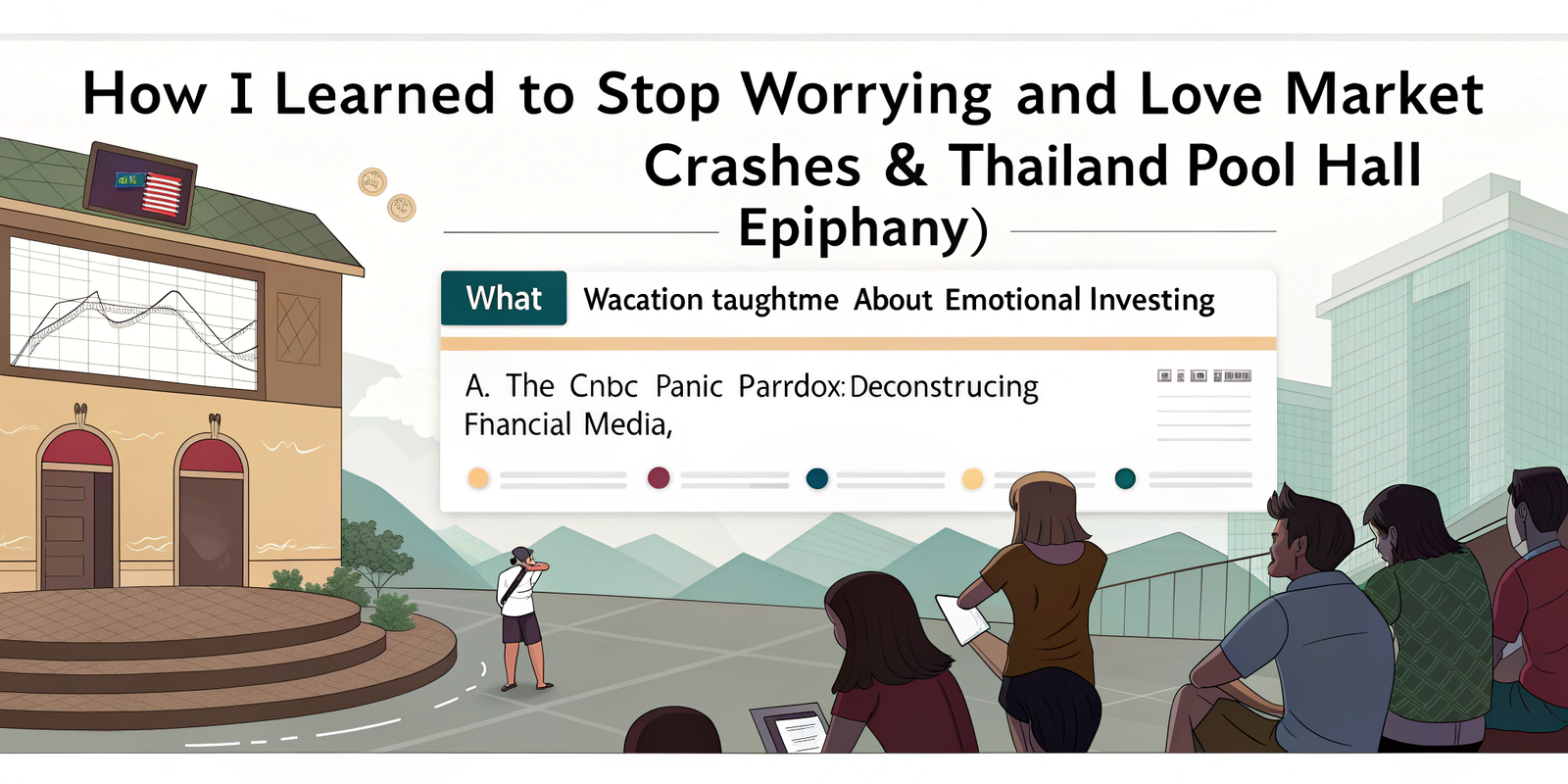
I didn’t know what my friend was talking about because I was playing pool in Bangkok when the message arrived. The game frustrated me because a young lady beat me for the third consecutive time. I was trying to repair my ego instead of watching the plummeting Tesla stock.
Vacation in Thailand makes you forget your everyday worries. It’s the only time I don’t regularly follow the stock market.
But Franz’s message made me curious. When we were done playing, I went back to my hotel and checked the market.
Nasdaq had fallen by 4% on March 10, 2025. OK, that doesn’t happen every day. The news said it was the most significant loss since September 2022.
I reassured my friend that market panic is a natural occurrence. Trump’s trade wars introduce economic uncertainty, which the market dislikes. Investors react by selling their stocks or refraining from new purchases, leading to a downward trend.
It’s part of the game. If you didn’t sell your stocks in time, you have to sit out a correction or a bear market. It’s my third market sh! tstorm since 2019. I don’t care any longer. Stocks fall? I keep buying if my investing thesis holds.
The next day, I was bored on the plane back home. And I did what I never do. I watched the CNBC news live. Boy, the news makes people emotional.
The amount of information is overwhelming. There are
- Currencies
- Bond yields
- Analyst opinions
- Stock prices after hours
- Prices of precious metals
All on the same screen. You don’t need all this information unless you are the BlackRock CEO managing trillions of dollars for the American middle class. And even then, you have an army of analysts who know all this.
And the expression “recession fears ” dominated the headlines. A recession is a possibility, not a fact. But people focus on the negative. The emotional low from losing money is stronger than the high from making a gain. Nobody said in the news that:
- US corporations have trade-free zones where no tariffs apply as long as the goods don’t enter domestic commerce.
- Public companies can postpone tariff payments by one to three months.
- Businesses are adapting to the new normal.
Boards of Directors don’t have the luxury of complaining about Trump on social media. They get paid to solve problems.
Now I understand why investors panic.
They either read the wrong information or get an incomplete picture of the current economic reality. I don’t blame them. A pandemic, trade wars, and military conflicts mark the 2020s. You need guts to endure the volatility that comes with that.
Despite this unusual combination of challenges, the stock market continues to grow in the long term. It’s crucial to keep the big picture in mind. The most significant gains in your investment account come towards the end of your investing life, when compound interest has the potential to multiply your initial contribution.
Timing the market is not an option. People who sell stocks on bad news often wait months (or even years) to get back in, missing out on the most significant returns.
If Trump’s tariffs seem daunting, think back to 2020.
The pandemic seemed daunting. It was the first global healthcare crisis for all of us. The market has experienced a few bumps since then and has still grown beyond our expectations. Now the Covid crash is a distant memory, a data point. Trump’s tariffs, a few years from now, will be a data point as well.
When you rush to buy or sell a stock, there’s no guarantee you’ll profit. But there’s a guarantee your broker will benefit due to the transaction costs.
Investing implies staying in the market long-term and weathering occasional shocks! tstorms is part of the process. There’s a recession every decade or so. You already know this. Panicking is not an option.
And the best way to avoid panicking is to ignore the market. I know a former portfolio manager who still remembers the 1987 crash. When I asked him how he reacted to the crash, he said he went to Vegas and had fun for three days. The market came back a year later.
Now I experienced that on vacation. I wouldn’t have sold anything in panic, but ignoring the market helped me wait out the fall and start looking for bargains. I experienced zero emotions.
So if you feel like investing consumes your life, remind yourself you’re in the market for the long haul. And stay away from it when things get uncertain. Simply waiting out an occasional panic will save you a pile of money in the long run.
Share this content: