Here’s the thing —
When people think of “digital products,” their minds often jump to the predictable: ebooks, Canva templates, maybe a stock photo bundle.
Yawn.
It’s not that the usual digital products can’t sell. They can. The issue is that everyone’s churning out the same uninspired $9.99 PDFs, and then they’re left scratching their heads as to why sales are as slow as a leaky tap.
But there’s a layer under the surface. A weird, overlooked, slightly chaotic layer where the real money hides. And most of these ideas? You can whip them up fast, price under $20, and still have people throwing credit cards at you because the value-to-price ratio feels criminally unfair (in a good way).
So — 9 of them. Let’s get messy.
1. The “Hyper-Specific Fix” mini-guide
Forget about another ‘101 Social Media Tips’ ebook. That’s just average. What really sells? A 7-page crash doc that’s hyper-specific, like ‘How to Get 100 Followers on Pinterest in 48 Hours Without Posting a Single Pin.’
See the difference? It’s oddly specific, almost surgical.
Why it works: the niche audience instantly sees themselves in it. They’re not buying “knowledge,” they’re buying the shortcut they didn’t know existed.

Pro tip: Stack three of these micro-guides in a bundle for $17. Feels like a steal.
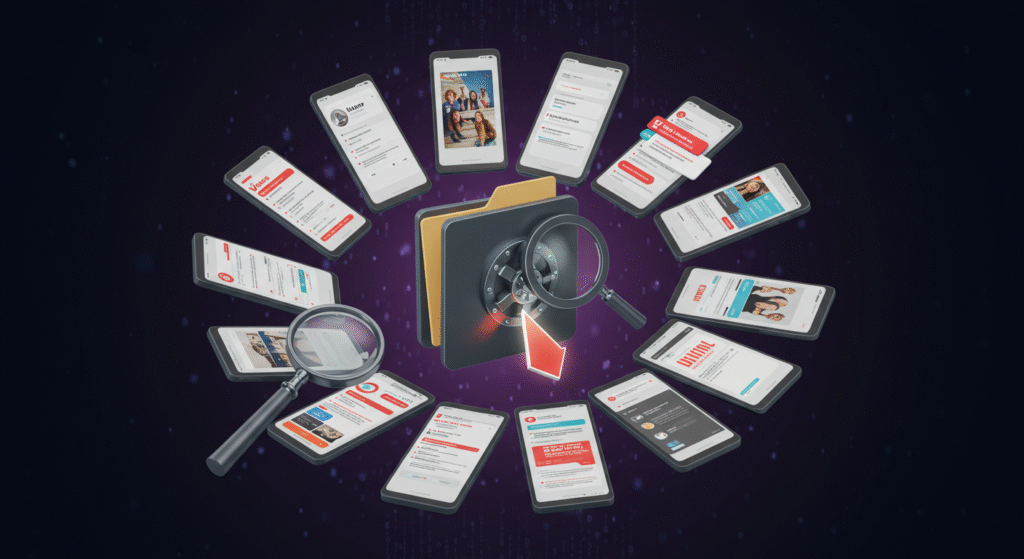
2. Screenshot vaults
Yes — people pay real money for screenshots. Not random memes, but curated, organized collections: “50 High-Converting Email Subject Lines (Screenshots from Real Brands).”
The psychology is wild here. Humans love peeking behind the curtain. They want receipts. And $12 to save themselves hours of hunting? Easy yes.
Twist it: sell “Bad Design Vaults” or “Epic Brand Comebacks.” Drama sells, too.
3. Editable spreadsheets that feel like apps
Not the boring “budget tracker” everybody’s got lying around. I’m talking playful, gamified, almost-too-good-to-be-a-spreadsheet stuff. A “Morning Routine Bingo” tracker. A “$1K Side Hustle Challenge” progress sheet.
Built in Google Sheets or Notion — priced at $7–$15.
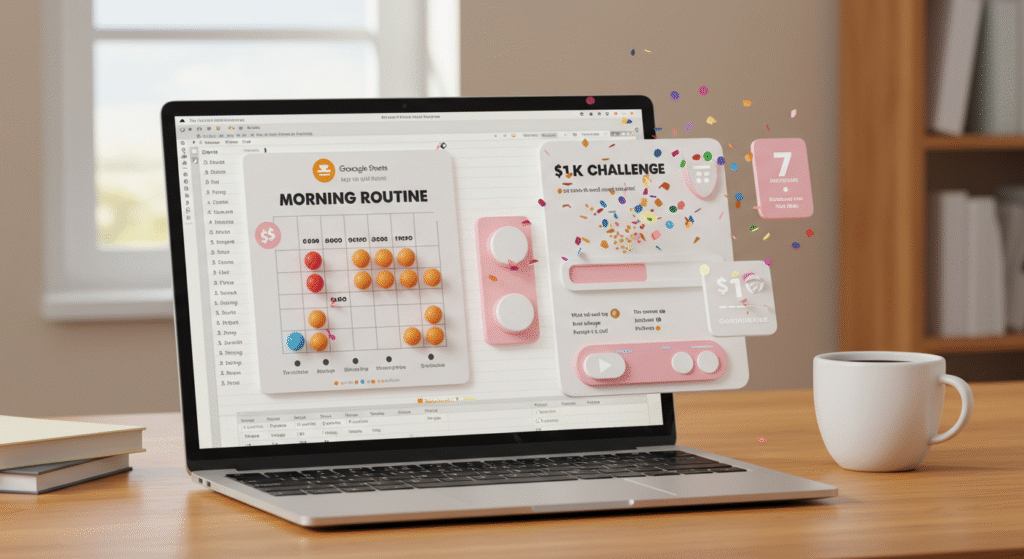
It’s the illusion of software without the $50/month SaaS bill. And people love feeling like they discovered a hack.
4. Challenge kits
A PDF guide is meh. But a 10-day “Instagram Story Glow-Up Challenge” with daily prompts, a checklist, and a printable progress chart? Suddenly, it feels alive.
Challenges give buyers something to do, not just read. They create momentum, which creates word-of-mouth.
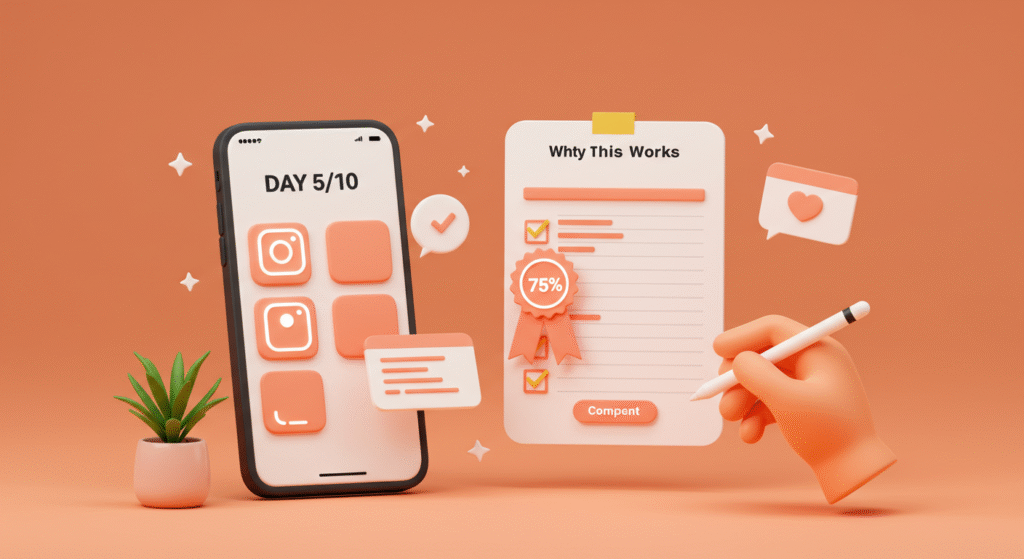
Bonus: You can run the same challenge as a live version for higher-ticket upsells later.
5. Digital “Props” for content creators
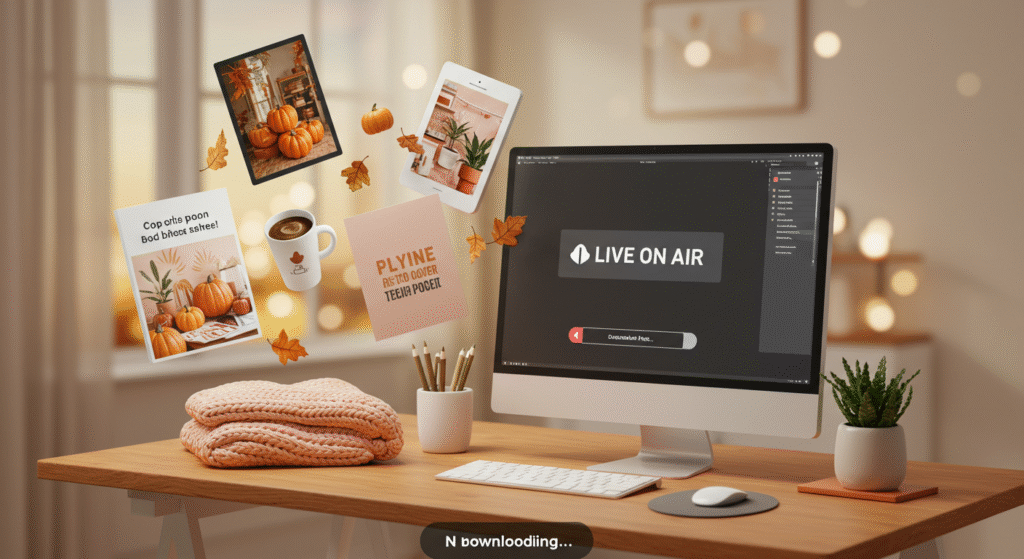
Think quirky Zoom backgrounds, fake podcast covers, or themed flat-lay PNGs for Reels.
Under $20 means impulse-buy territory. Imagine a creator seeing your “30 Cozy Autumn Zoom Backgrounds” for $9 — they click “Buy” without even thinking.
Seasonal + niche wins here. “Cozy autumn” works for October, “Pastel retro” works for summer, and so on.
6. Cheat Code lists
This isn’t your average resource list. We’re talking the curated, slightly secret, not-googleable stuff: “17 Websites to Get Free Commercial Fonts Without Digging Through Junk.”

Price it at $5–$12 and watch it move. The key? Make it feel insider. Like they’ve stumbled into a speakeasy of knowledge.
7. The “First 5 Steps” kit
Procrastination often stems from feeling overwhelmed. People don’t want to know everything about podcasting — they want the first 5 things to do this weekend to get it off the ground. That’s where the ‘First 5 Steps’ kit comes in, offering a solution to shrink the overwhelm and sell speed.
Shrink the overwhelm. Sell speed.
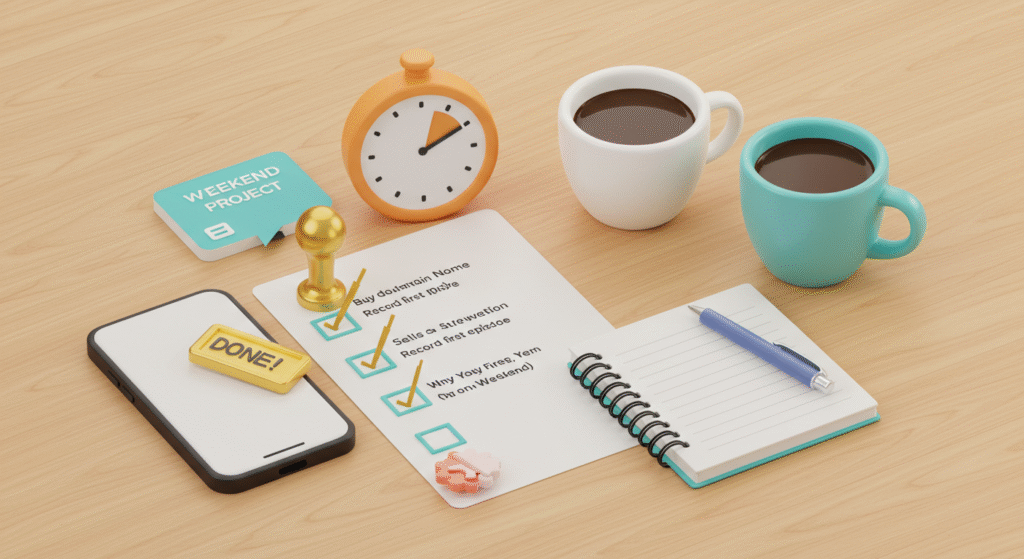
Bonus hack: make a series — “First 5 Steps to Start a Blog,” “First 5 Steps to Run Facebook Ads,” “First 5 Steps to Start an Etsy Shop.” Bundle for $19.
8. Seasonal micro-decor packs (Digital)
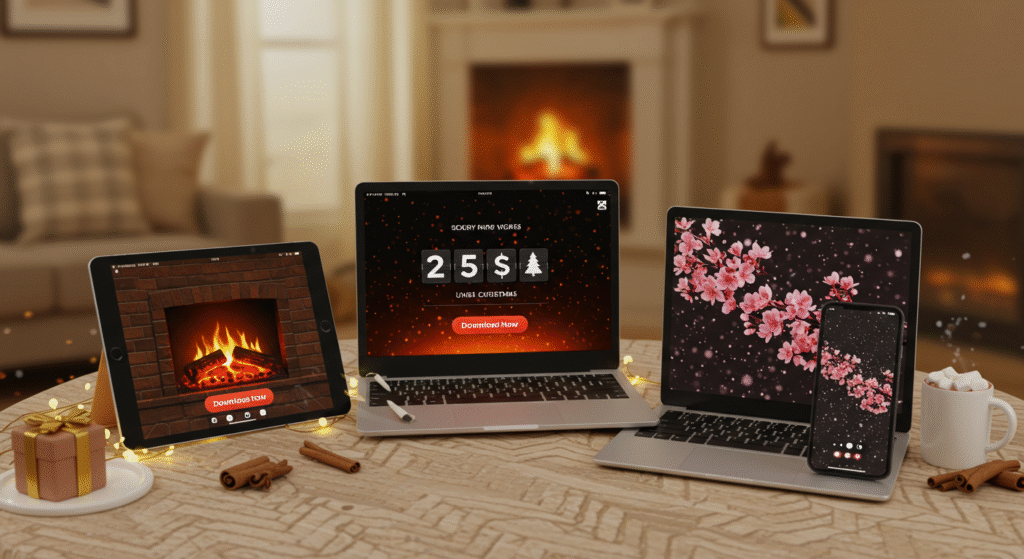
Printable wall art for Valentine’s Day is nice, but have you seen “Digital Fireplace Loops for Cozy Winter Nights”? Yes, someone will pay $8 for a 2-hour crackling video they can loop at a party.
Think screensavers, digital garlands, countdown timers. These crush in the $5–$15 range because they’re impulse mood-lifters.
9. Weirdly specific Canva kits
Not “Instagram templates.” That’s played out. I’m talking “17 Canva Templates for Running Flash Sales on Etsy.” Or “Swipeable Before/After Transformation Posts for Fitness Coaches.”
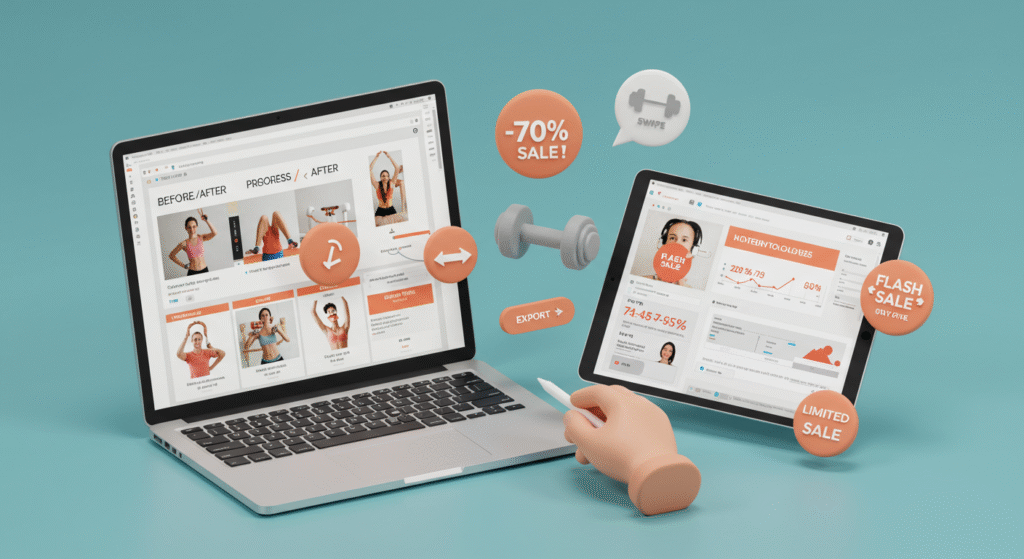
Why this works: you’re solving a real, frequent problem for a very narrow audience. They feel like you read their diary.
A few truths people hate hearing:
- Pricing under $20 isn’t about “cheap.” It’s about frictionless. Nobody calls their bank for a $12 charge.
- The smaller and weirder the niche, the faster the sale. Broad is broke.
- The speed to deliver the win matters more than the size of the win.
If you pick just one of these and execute — meaning, you package it beautifully, give it a punchy name, and make sure the sales page oozes clarity — you’ll probably outsell the person peddling yet another $27 ebook nobody asked for.
Because here’s the unspoken rule:
People don’t buy “products.” They buy the feeling of finally knowing what to do next. And if you can give them that for under $20, you’ll win again and again.
Share this content: